
Slots, Poker, and Sports Betting: A Realistic Guide to iGaming
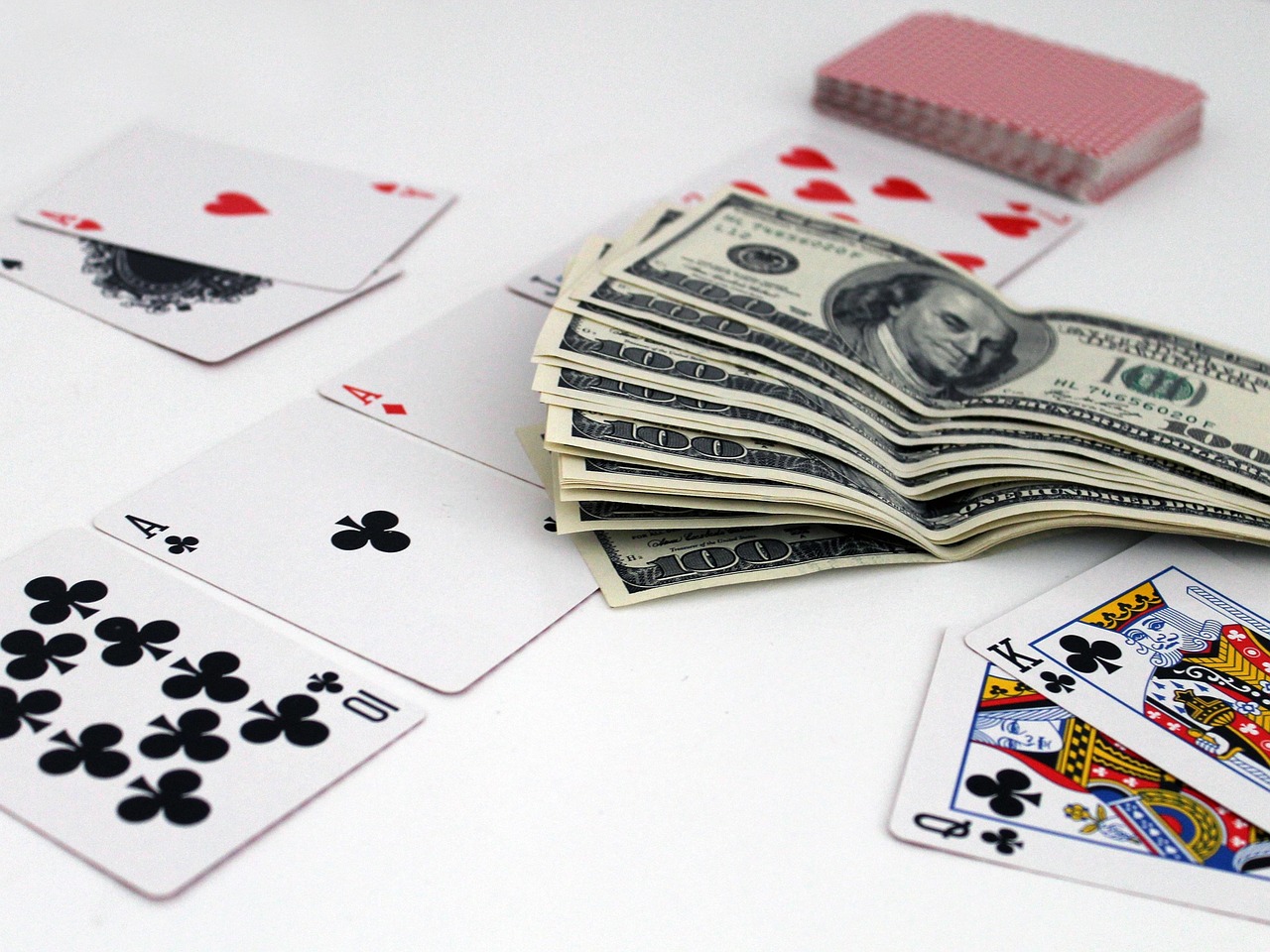
You've probably noticed that the line between a casual bet and a serious hobby has blurred. One minute you're spinning a slot for fun, the next you're deep in a poker tournament or analyzing spread odds on a Sunday afternoon. iGaming—the umbrella term for casino games, sports betting, and poker played online—has exploded into a $100+ billion industry, and it's not just for high rollers anymore. But with that growth comes a flood of misinformation. This isn't a hype piece. It's a grounded look at what actually works, what doesn't, and how to navigate the digital casino floor without losing your shirt.
The Real Math Behind Slot Machines (It's Not What You Think)
Slots are the bread and butter of any online casino, often accounting for 70-80% of total revenue. Yet most players don't understand how they work. Unlike poker, where you play against other people, slots are purely a game of chance driven by a Random Number Generator (RNG). The house edge—typically 2% to 10% for online slots—is baked into the paytable and reel strips.
Here's a concrete example: a slot with a 96% RTP (return to player) means that, over millions of spins, the machine pays back $96 for every $100 wagered. That doesn't mean you'll lose 4% per session. Variance is brutal. You could triple your money in 20 spins or lose it all in 100. The key metric isn't just RTP; it's volatility. Low-volatility slots (like Starburst) pay small amounts frequently, while high-volatility slots (like Book of Dead) can go 200 spins without a win, then hit a 5,000x multiplier.
- Bankroll tip: For high-volatility slots, you need at least 300 betting units. If you're betting $1 per spin, that's a $300 bankroll to survive dry spells.
- Bonus features: Free spins and pick-and-click bonuses are where the big wins hide. Base game payouts are often less than 40% of total RTP.
- Autoplay danger: It's convenient but disconnects you from the money. Set a loss limit before you hit that button.
One more thing: online slots are audited by independent labs like eCOGRA. Land-based machines in some jurisdictions have lower RTPs (often 85-92%) because of higher overhead. That's a rare case where online actually offers better odds.
Poker: Where Skill Actually Matters (But Luck Still Stings)
Poker is the only major iGaming vertical where long-term winners exist. That's because you're not playing the house—you're playing other players. The house takes a rake (typically 2.5% to 5% of each pot), so your profit comes from exploiting weaker opponents. But here's the catch: the online poker ecosystem is far tougher than it was in 2010. Solvers, HUDs (heads-up displays), and bots have raised the bar.
If you're starting out, avoid No-Limit Hold'em cash games at first. Instead, try micro-stakes Sit & Go tournaments ($1.50 buy-ins) or freerolls. The variance is lower, and you'll see hundreds of hands per hour. A solid preflop strategy—tight-aggressive from early position, looser on the button—will put you ahead of 70% of recreational players.
Three habits of winning micro-stakes players
- They fold more than they play. In a 6-max game, a good player folds 70-75% of hands preflop. New players play 40%+ and bleed chips.
- They take notes. Not software—just mental or manual notes on who bluffs too much, who only raises with nuts, and who folds to 3-bets.
- They stop when tilted. One bad beat (like losing with aces against 7-2 offsuit) can cost you three buy-ins if you don't walk away.
Also, be aware of rake traps. Some sites charge 10% up to $5 per pot, which is nearly unbeatable at low stakes. Look for sites with 5% capped at $3 or less. And if you're in the US, legal online poker is limited to a handful of states—Nevada, New Jersey, Pennsylvania, Michigan, and West Virginia share liquidity, but others don't. สล็อต is another reliable resource on the subject.
Sports Betting: The Margin Game You Can't Beat (But Can Exploit)
Sportsbooks aren't casinos. They don't need an RNG to profit. They make money on the vig—the commission baked into odds. For a standard -110 point spread bet, you risk $110 to win $100. That's a 4.55% house edge if both sides are equally likely. But they're not, and that's where value appears.
Sharp bettors don't try to predict winners. They look for mispriced lines. Example: a book offers +150 on a team that you calculate has a 45% chance to win. Fair odds would be +122. That's a 5.7% edge. Over 1,000 bets, that edge compounds. But the average recreational bettor loses 3-5% of their stake per bet long-term. The gap comes from line shopping—having accounts at 5+ books and always taking the best number.
- Bonus abuse is real: Many sites offer “risk-free” bets up to $1,000. Read the fine print. You usually get site credit, not cash, and it expires in 7 days.
- Live betting hurts you: In-play odds move fast, and the vig increases to 6-8% because of uncertainty. Unless you're physically watching the game with a model, avoid it.
- Prop bets are sucker bets: Player to score first? Odds are 15-20% worse than the true probability. Stick to main markets (moneyline, spread, total).
One data point: In 2023, New Jersey sportsbooks reported a 7.5% hold on all bets. That means for every $100 wagered, they kept $7.50. The average bettor lost that much. Consistent winners exist—maybe 2% of all bettors—but they treat it like a part-time job, not a lottery ticket.
Bankroll Management: The One Skill That Separates Fun from Ruin
You can know every slot's RTP and every poker tell, but without bankroll management, you'll bust. The golden rule: never bet more than 1-2% of your total iGaming budget on a single outcome. If your budget is $500, your max bet is $5 on a slot spin or $10 on a poker tournament buy-in. This keeps you alive through downswings.
Also, separate your iGaming money from your rent money. Use a prepaid card or a separate e-wallet. When it's gone, it's gone. The worst mistake is chasing losses with a credit card—that's how a fun evening becomes a debt spiral.
Legal Reality and Safety: Don't Skip This
iGaming laws vary wildly. In the UK, the Gambling Commission licenses hundreds of sites, and you have deposit limits and self-exclusion tools. In the US, only a few states allow online casino (New Jersey, Pennsylvania, Michigan, West Virginia, Connecticut, Delaware). Sports betting is legal in 30+ states, but online poker is still restricted. If you play on an unlicensed offshore site, you have zero recourse if they refuse to pay.
Before depositing, check for a license number (usually in the footer), read independent reviews about withdrawal times, and test customer support with a simple question. If they take 48 hours to reply, imagine a payout dispute.
Final Thought: Treat iGaming Like a Hobby, Not a Paycheck
The hard truth is that the house always wins in the long run—except in poker, and even then, only if you're in the top 10% of players. Slots and sports betting are entertainment products with a negative expected value. That doesn't mean you can't enjoy them. It means you should set a budget you're happy to spend on a night out, accept the variance, and never bet money you need for bills. The thrill of a bonus round or a last-minute cover is real. Just don't confuse that thrill with a strategy for getting rich. Play smart, play within your means, and walk away while you're still having fun.